01
Always-on infrastructure
Korea Telecom and SK Broadband deliver symmetric multi-gigabit fiber to over 99% of households, with sub-10ms latency to Seoul data centers.
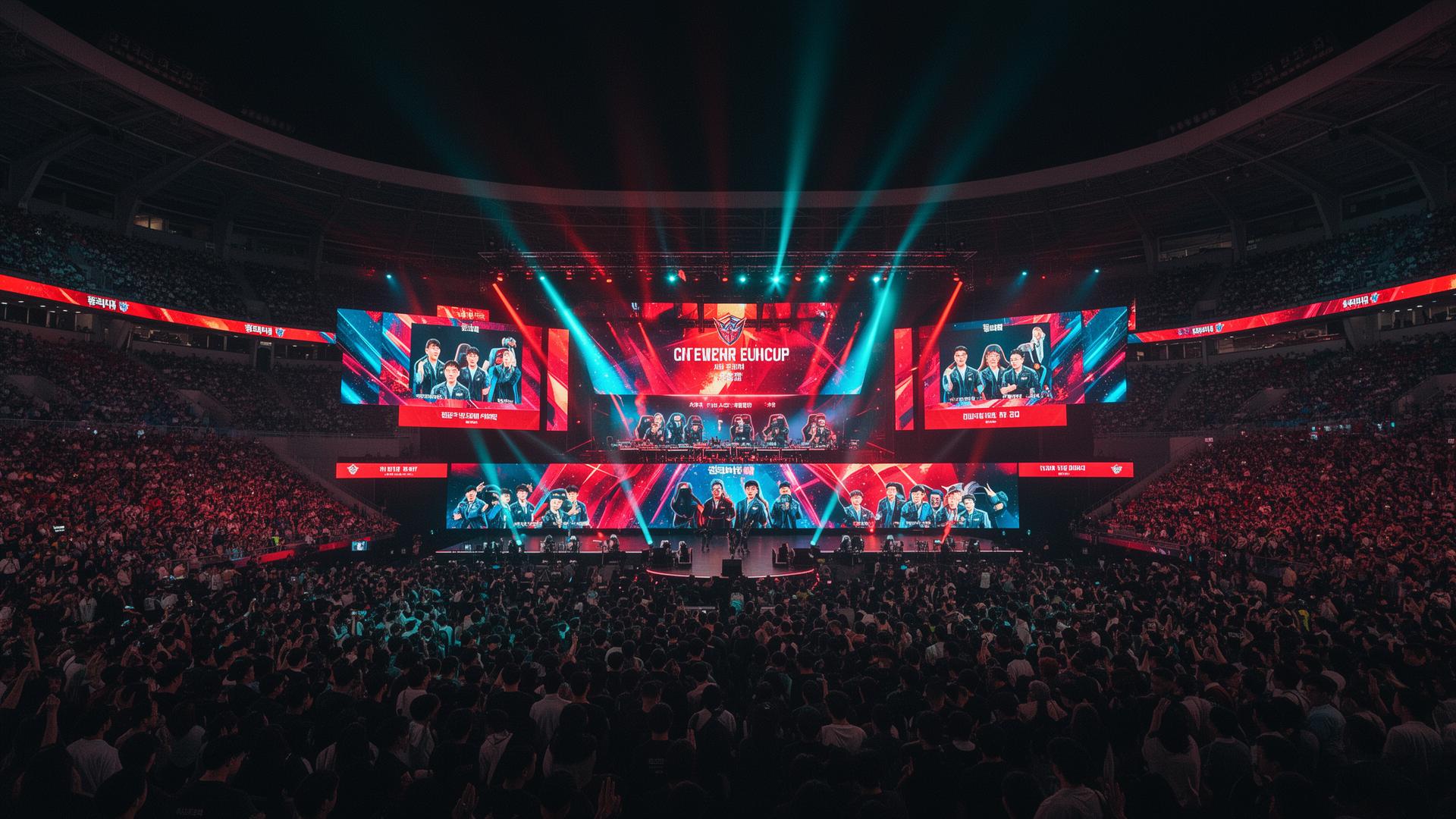
From neon-soaked PC bangs in Hongdae to sold-out arenas in Gocheok, South Korea has spent three decades engineering the most disciplined, spectator-friendly and technically refined gaming culture on earth. This is a long-form English look at how it works.
In Korea, gaming is not a subculture — it is woven into transit ads, broadcast television, after-school plans and corporate sponsorships. Riding a Seoul Metro train at 9pm, you will see commuters running ranked matches on Galaxy phones while overhead screens replay the previous night's LCK series.
Korea Telecom and SK Broadband deliver symmetric multi-gigabit fiber to over 99% of households, with sub-10ms latency to Seoul data centers.
KeSPA (the Korea e-Sports Association) is recognized by the Ministry of Culture, Sports and Tourism, granting pro players formal athlete status.
From middle-school CS clubs to university scholarship squads, structured practice routines are normalized far earlier than in most regions.
Broadcast graphics, on-stage casting booths and shoutcaster duos were pioneered in Korea long before they appeared in western tournaments.
Six games anchor the Korean scene today — each with distinct mechanics, audiences and tournament structures.
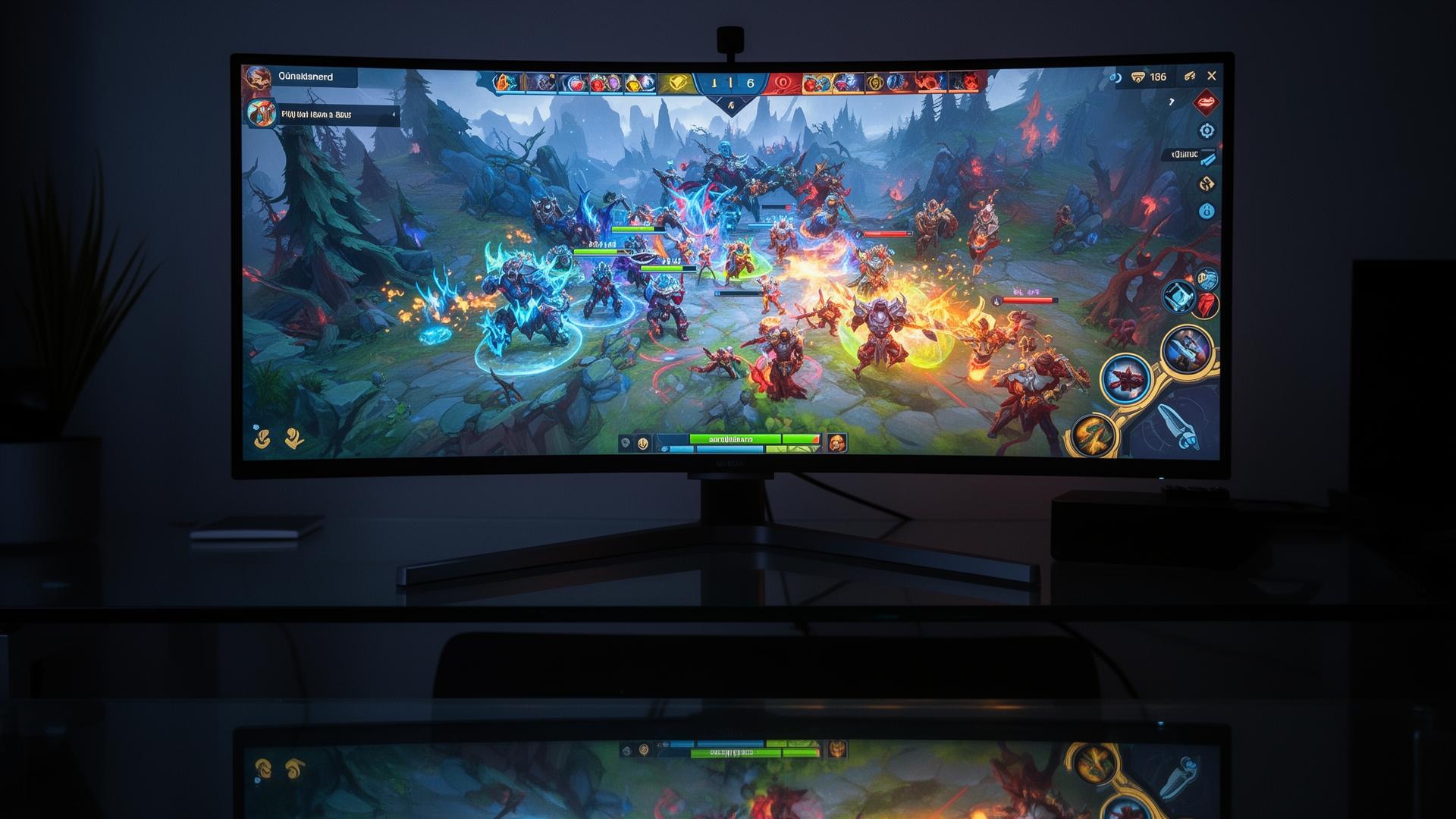
The flagship MOBA of the LCK era. Drafted around a 30-champion patch rotation, matches reward macro vision and synchronized rotations over individual mechanical flair.
5v5 attack/defend with destructible architecture.
Faction warfare with player-run trade markets.
Frame-perfect 2D combat with 32 archetypes.
100-player drops with vehicle-driven endgame.
Interrupting recovery frames with a movement input to chain abilities faster than baseline rates — a hallmark of Korean MMO and fighting-game play.
Treating vision items as the most valuable resource. Korean teams average 18% more wards placed per game than other major regions.
Coordinated five-player movement triggered by neutral objective timers rather than reactive engagements.
In tac-shooters, players time corner peeks against the server tick rate to gain a one-frame visibility advantage.
Last-hitting enemy resources — minions, monsters, item drops — to starve opponents rather than maximize personal gain.
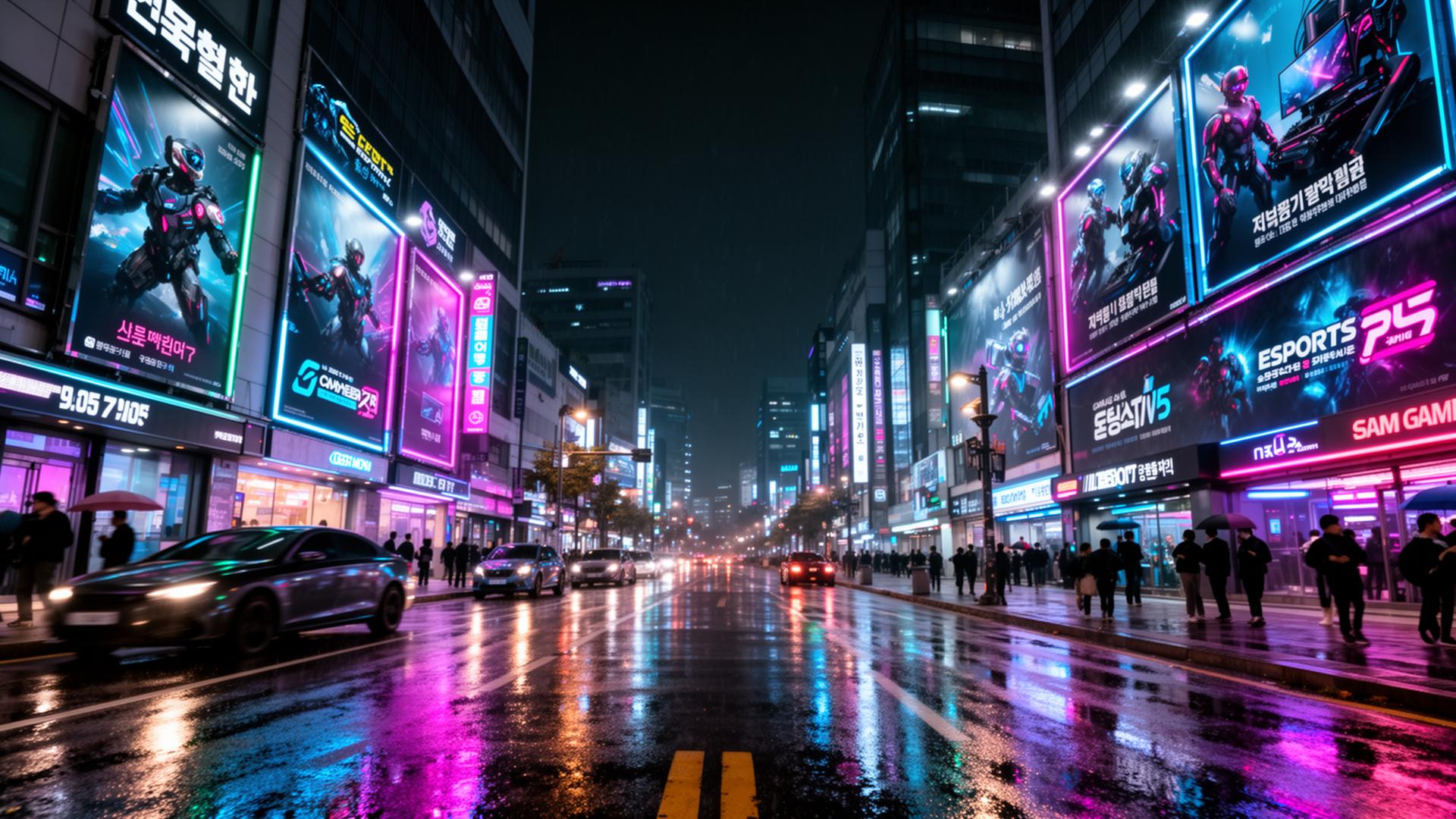
Tournaments for mobile MOBAs and auto-chess titles now fill the same arenas once reserved for PC events.
Pro houses deploy in-house ML models that flag positioning errors within seconds of a match ending.
Watch parties hosted by influencers regularly outdraw the main broadcast in concurrent viewers.
Pan-Asian formats with Japan, Taiwan and Vietnam are formalizing a regional super-league model.
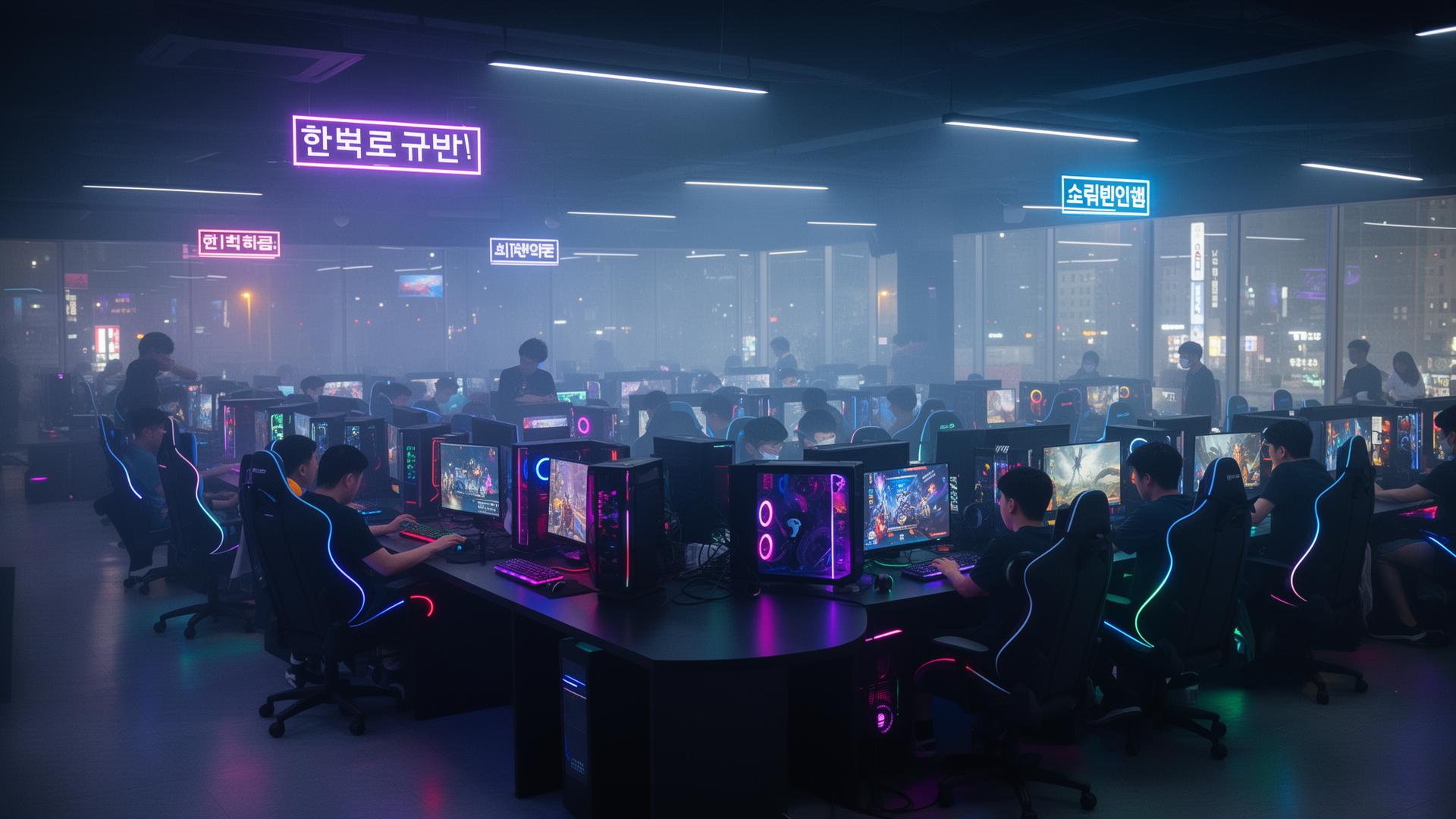
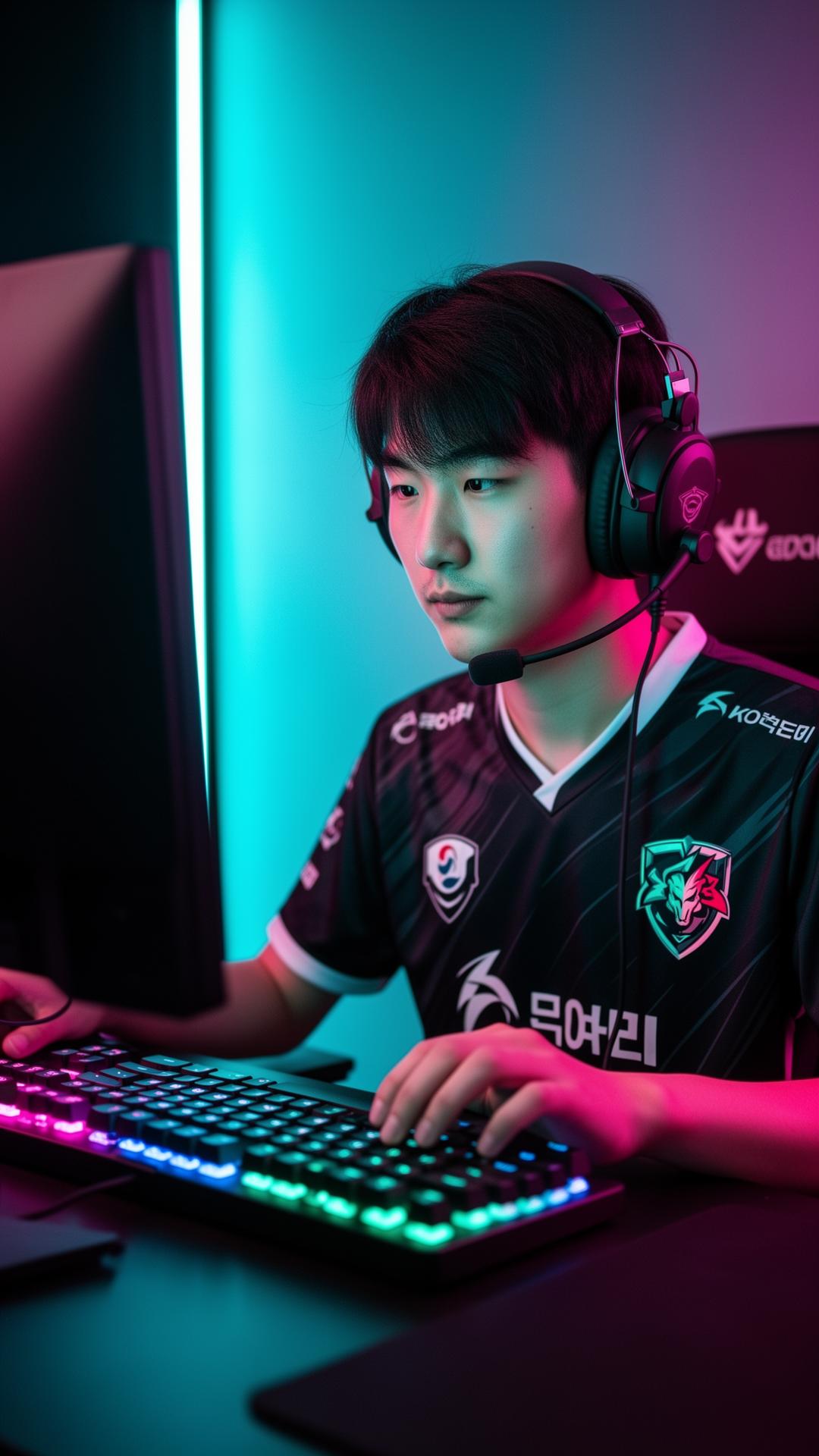
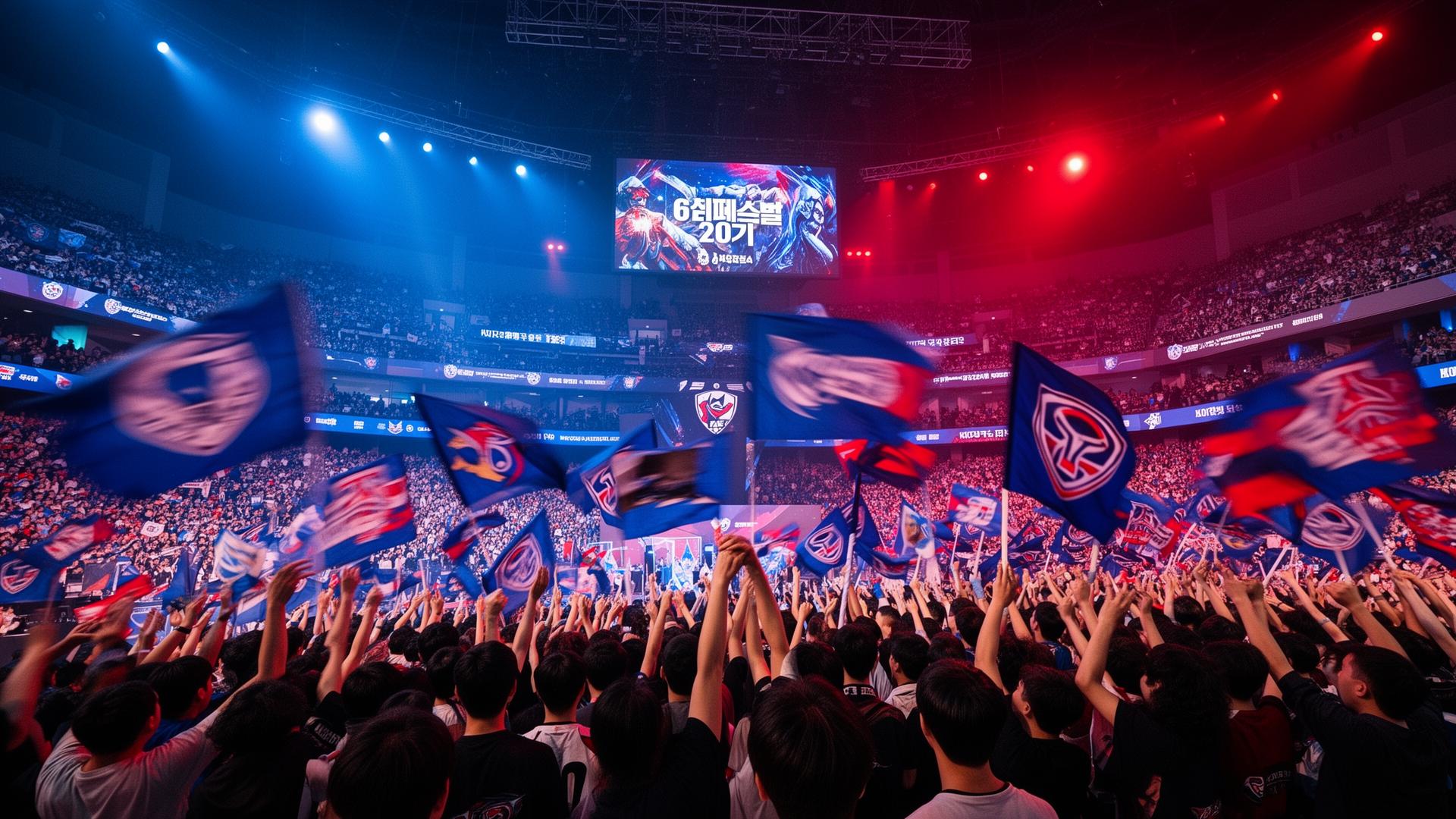
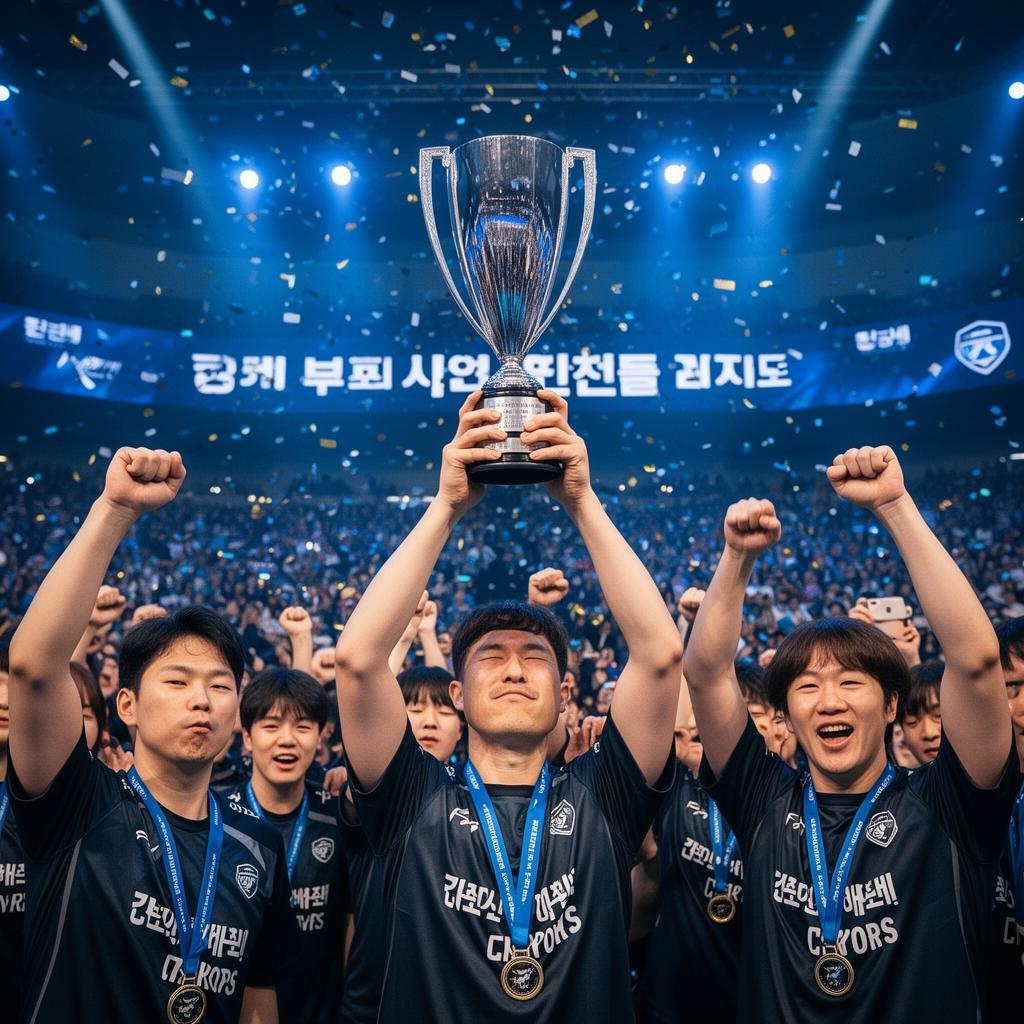
"I clock 6 hours a night after class. My PC bang crew runs draft simulations before queue — that's the only reason I climbed past Plat."
"Coaches review every ward we drop. By month three you stop thinking about kills and only think about minimap real estate."
"Subway commutes are practice time. I review my last five matches between stations and still land top-4 finishes daily."
When the LCK Spring Finals air, Korean cable networks shift programming to accommodate the broadcast. Pro players appear in mainstream variety shows, endorse smartphones and energy drinks, and are profiled by national newspapers. No other country has integrated competitive gaming so deeply into pop culture.
Korean panel makers shipped the first mass-market 360 Hz monitors, now standard at LCK studios.
SK Telecom MEC nodes cut cloud-streaming latency to under 12 ms within metropolitan Seoul.
Server-side behavioral models flag wallhack and aim-assist patterns in real time across ranked queues.
Pro houses experiment with low-frequency rumble systems synced to in-game audio cues for better reads.
Volumetric capture stages let casters walk through holographic battlefields during post-game analysis.
Cross-device sync between PC, mobile and console using Korean-built CDNs averages 0.4s replication.
Patched per-region tickrates compensate for cross-border matches with Japan and Taiwan.
Player-tuned switch profiles are micro-optimized for actuation latency under 1 ms.
A monthly amateur tournament hosted in a Hongdae PC bang. Open queue, no entry fee, broadcast on a local Twitch affiliate.
Seoul National, KAIST and Yonsei field varsity esports rosters competing in formal inter-collegiate brackets.
Players over 30 — once thought too old for competitive play — now organize their own ladder events with thousands of participants.
Aggregated from KOCCA, Newzoo Korea regional report and KeSPA yearly disclosures.
From the 1998 StarCraft broadcasts that drew larger TV audiences than baseball, to the 2025 LCK studios in Jongno where every monitor flickers at 360 Hz, South Korea has spent a generation treating play as a serious creative discipline. The result is a culture where games are not escape — they are craft.